
After Leaks and Water Damage
Water Damage Mold Cleanup
Address mold left behind after a water problem. Get a Free Estimate
After Leaks and Water Damage
Address mold left behind after a water problem. Get a Free Estimate
A water event can be obvious, like an overflowing fixture or major plumbing leak, or quiet enough to remain hidden for days or weeks. Once drywall, insulation, wood components, flooring edges, or other building materials become wet, mold can become part of the cleanup problem. Houston Mold Removal handles mold removal for areas affected by previous or recently discovered water damage.
Before mold work can be effective, the source of water should be stopped and the affected area should be moving toward dry conditions. We then focus on what materials were affected, where mold is visible, and whether damage may extend beyond the most obvious stain. If you have discovered mold after a roof leak, plumbing problem, appliance failure, or other water event, call 281-524-2640 to discuss the situation.
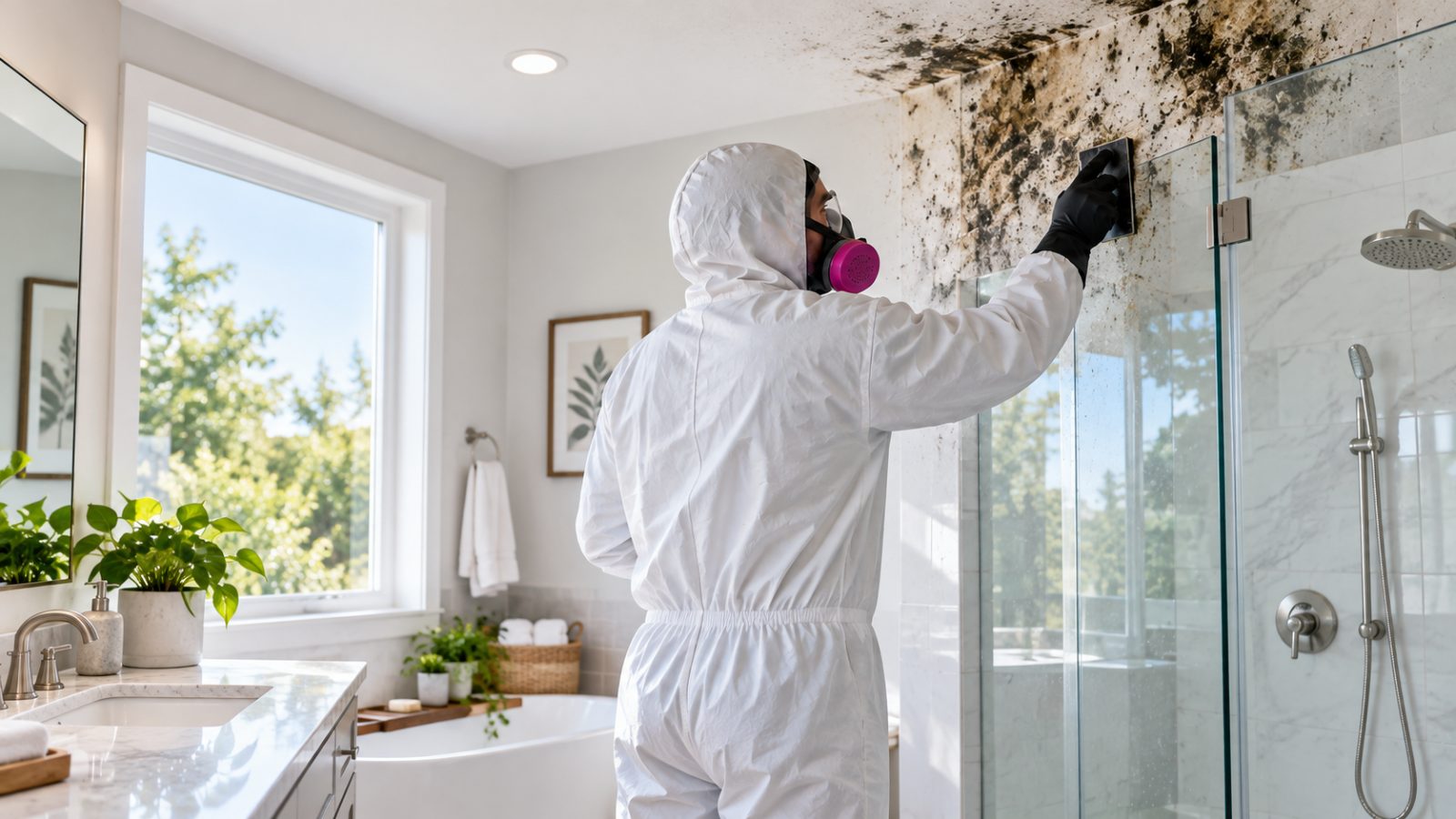
## Start With the Water Story Knowing where the water came from, how long it was present, and what materials became wet helps define an effective mold cleanup scope. A short-lived leak discovered quickly is different from a slow leak that remained hidden behind a wall for months. ## Follow Damage Beyond the Stain Water does not always stay where the visible mark appears. It can move along framing, soak into drywall, collect beneath cabinets, or spread through insulation. When mold is connected to water damage, the surrounding material condition deserves attention rather than focusing only on the darkest visible spot. ## Dry Conditions Matter After Cleanup Once affected material is removed or cleaned, the area needs to remain dry. Repairs to roofs, pipes, appliances, drainage systems, or other sources are outside some cleanup scopes but remain important to preventing another moisture cycle.
Supply lines, drain connections, valves, pipes, and fixtures can leak inside cabinets, walls, ceilings, or utility areas. Slow plumbing leaks often create concentrated areas of damaged drywall, wood products, or insulation. We address mold-affected materials while emphasizing that the plumbing source must be repaired.
Storms, flashing failures, roof wear, and damaged penetrations can allow water into attics, ceilings, and upper walls. By the time an interior stain appears, nearby materials may have been exposed repeatedly. Cleanup is based on the affected materials and access, while roof repairs should stop continuing water entry.
Water heaters, washing machines, dishwashers, refrigerators, sinks, tubs, and other fixtures can create localized or spreading water damage. Mold may develop beneath or behind finishes where drying was incomplete. The cleanup scope can include removing damaged porous materials and addressing accessible affected surfaces.
A space can feel dry today even though mold developed while materials were wet. Old stains, damaged drywall, or a musty area may lead property owners to discover a past moisture problem after the original leak has stopped. We can evaluate the current visible conditions and plan cleanup around what remains affected.
| Service | Estimated Cost | Average |
|---|---|---|
| Small leak-related mold cleanup | $750-$1,800 | Around $1,200 |
| Wall or ceiling water damage cleanup | $1,500-$4,000 | Around $2,500 |
| Large or multi-area water damage mold cleanup | $3,500-$10,000+ | Varies widely |
These planning ranges are not project quotes. Extent of wet materials, mold growth, access, demolition, containment, and separate water-source or reconstruction work can significantly change final cost.
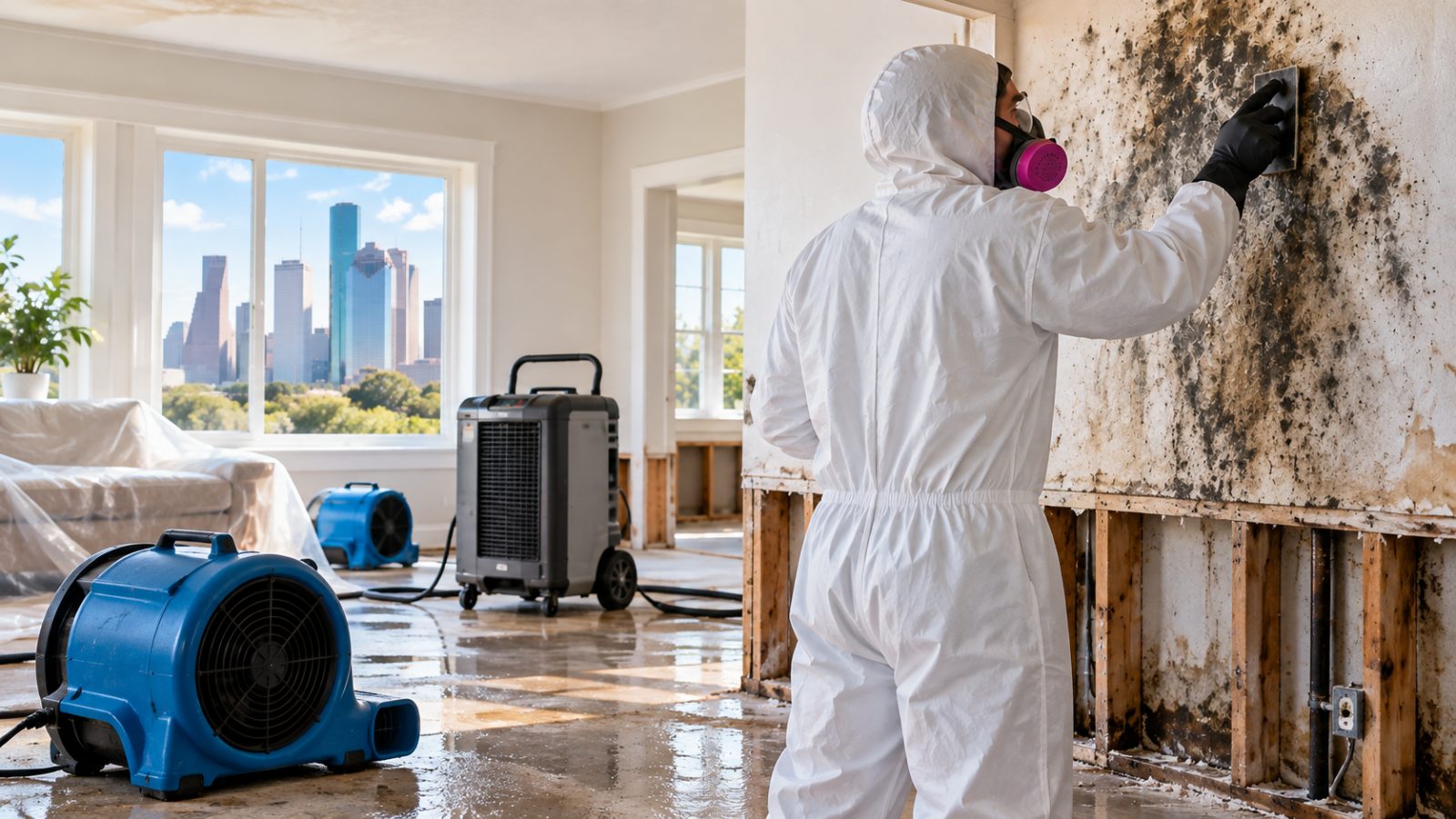
Understanding how materials became wet helps determine where cleanup should focus and what surrounding areas deserve attention.
Water can affect more than the visible stain. We consider nearby porous materials and concealed spaces where practical.
The goal is to address affected material without expanding demolition farther than the conditions justify.
We explain moisture-related concerns that may still require repair, monitoring, or additional drying after the mold work.
Found mold after a leak or water event? Tell us what happened and which materials were affected.
Free — no obligations
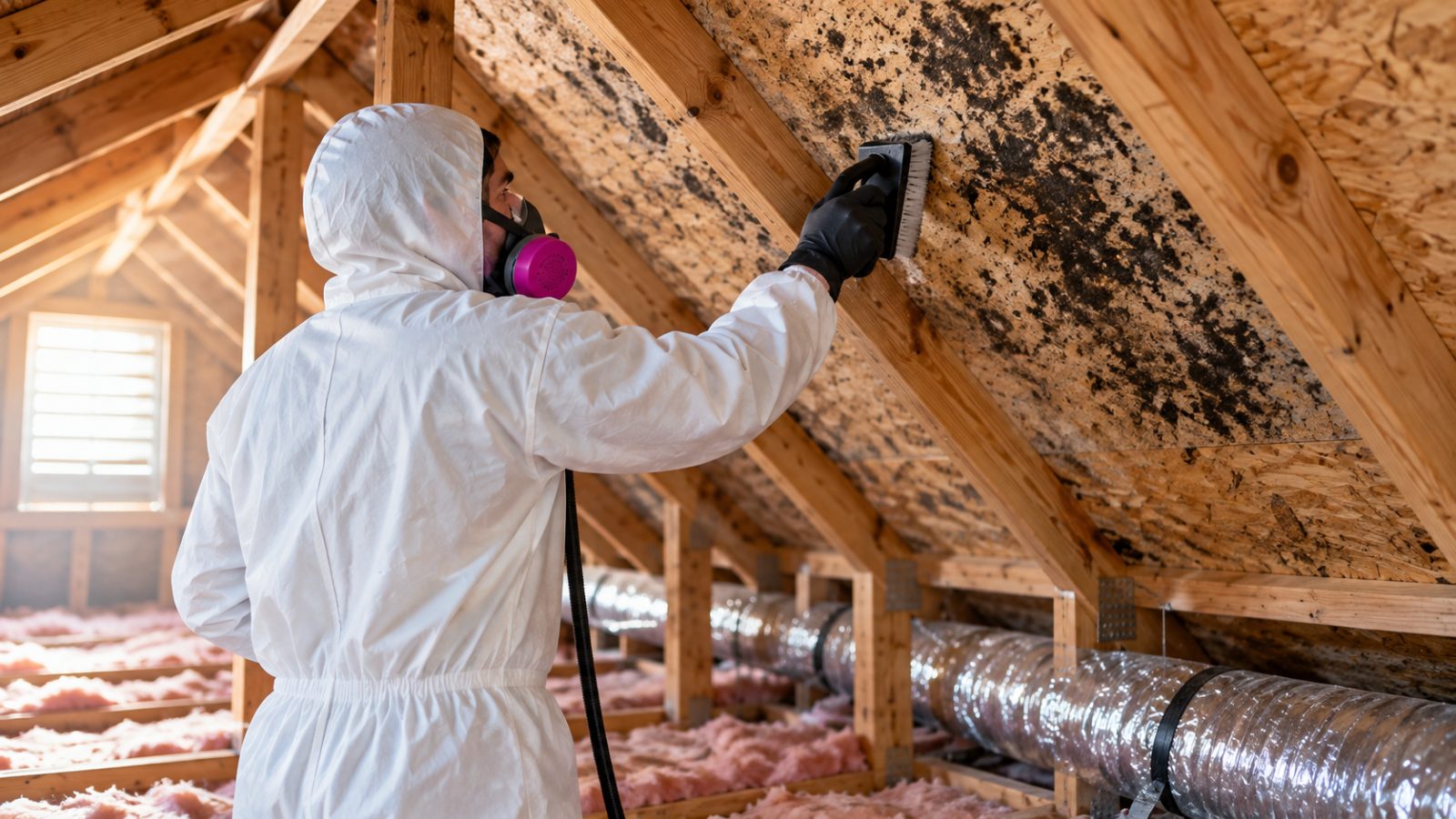
We discuss whether the leak or water event has stopped and what repairs or drying have already taken place.
Visible growth, staining, deterioration, and the likely path of water are considered when defining the cleanup area.
The work area is organized and isolated as appropriate for the location and amount of material involved.
Materials that cannot reasonably remain are removed, while suitable accessible surfaces are addressed according to their condition.
Before finishes are restored, we discuss any known areas where leaks, drying, or moisture control still need attention.